The traditional image of a classroom—rows of wooden desks, a chalkboard, and a singular focus on a physical textbook—has undergone a radical transformation. In the United States, the integration of Educational Technology (EdTech) is no longer a futuristic “bonus”; it is the foundational architecture of the modern learning environment. As we navigate 2026, the focus has shifted from merely using digital tools to achieving Personalized Learning Environments (PLEs) that cater to the diverse needs of a global student body.
According to recent data from the National Center for Education Statistics (NCES), over 90% of US high schools now utilize some form of 1-to-1 device ratio, ensuring that every student has a gateway to the digital world. But the true redefinition of the classroom isn’t about the hardware—it’s about how these tools are breaking down the walls of the traditional lecture hall to create a more inclusive, data-driven, and flexible educational experience.
The Rise of the “Hybrid” Reality
One of the most significant shifts has been the move toward asynchronous learning. The rigid 8:00 AM to 3:00 PM schedule is being supplemented by digital platforms that allow students to engage with material at their own pace. This is particularly vital in the US, where students often balance extracurriculars, part-time work, and high-pressure college prep.
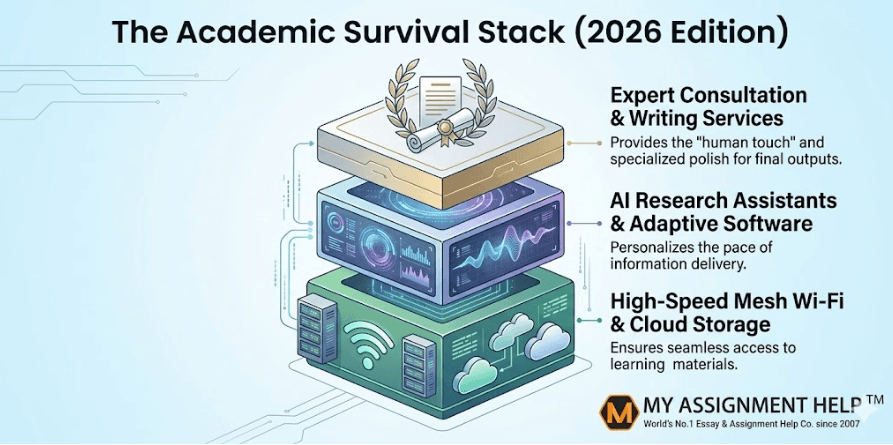
In this high-stakes environment, the demand for support has evolved. Students are no longer just looking for information; they are looking for mastery. When the complexity of a 24/7 digital curriculum becomes overwhelming, many find themselves looking for someone to do my assignment to ensure they don’t fall behind while mastering the actual core competencies of their syllabus. This shift highlights a broader trend: the move from “rote memorization” to “strategic resource management,” where students use technology to curate their own support systems.
Data-Driven Instruction and EEAT Standards
For EdTech to be effective, it must adhere to high standards of Experience, Expertise, Authoritativeness, and Trustworthiness (EEAT). Modern platforms now use AI-driven analytics to provide teachers with real-time “heat maps” of student understanding. Instead of waiting for midterm results, educators can see exactly which student is struggling with a specific calculus theorem or a literary analysis concept the moment it happens.
This data-driven approach extends to how students present their own ideas. Effective communication remains the bedrock of success. For instance, understanding how to craft a compelling message is essential, and exploring various Value Speech Topics can help students develop the ethical and persuasive reasoning skills required in a digital-first economy. By integrating these specific focus areas, EdTech platforms are ensuring that “tech-heavy” learning doesn’t come at the expense of “human-centric” soft skills.
Key Pillars of the 2026 Classroom Redefinition
- AI-Powered Personalization: Generative AI tutors now provide 24/7 scaffolding, offering hints rather than answers to help students solve complex problems.
- Gamified Learning Ecosystems: Platforms like Duolingo and Khan Academy have paved the way for “quest-based” learning, where students earn badges and “level up,” significantly increasing engagement rates.
- Virtual & Augmented Reality (VR/AR): History students in the US can now “walk” through the Constitutional Convention, while biology students can perform virtual dissections, reducing costs and increasing safety.
- Global Collaboration: EdTech has effectively erased borders. A classroom in Chicago can collaborate in real-time on a climate change project with a sister school in Melbourne via cloud-based platforms.
The Ethics of Outsourcing and Support
As classrooms become more digital, the definition of “academic integrity” is also being redefined. In the US, the focus is shifting toward “Transparent AI Use.” Educators are encouraging students to use technology as a collaborator. Whether it is using a tool to check for structural flaws in an essay or hiring expert consultants to guide them through a difficult module, the goal is the same: the acquisition of knowledge through any means that maintains the standard of academic rigor.
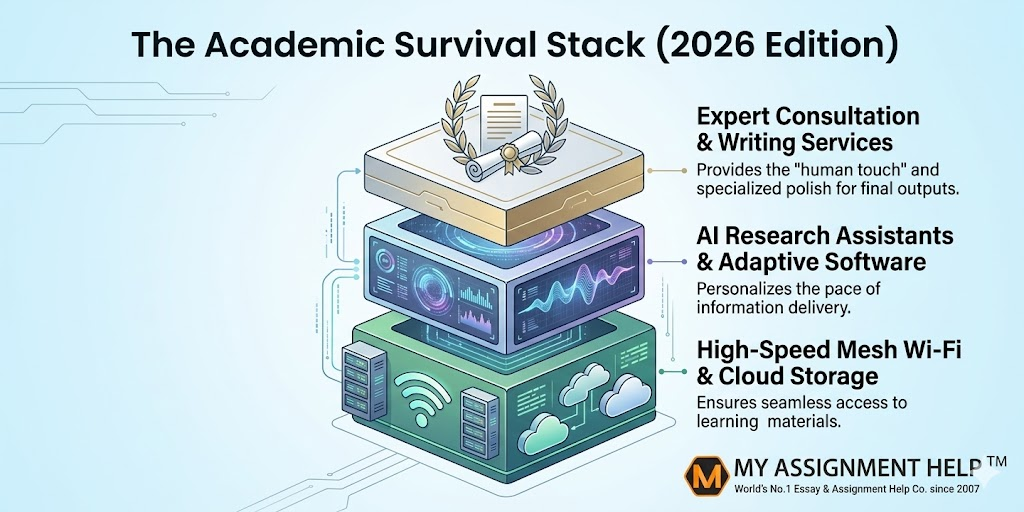
The reliance on professional services is a direct response to the “efficiency” demanded by the modern EdTech classroom. When students are expected to master more material in less time, having a reliable partner for complex tasks becomes a survival strategy rather than a shortcut.
Key Takeaways
- Personalization is King: EdTech has moved from “one-size-fits-all” to “one-size-fits-one” through AI and data analytics.
- Accessibility: Technology is providing students with disabilities more robust tools (text-to-speech, braille displays) to participate fully in mainstream classrooms.
- Skill Shift: The focus is moving away from “knowing” facts to “knowing how to find and verify” facts.
- Holistic Support: Digital classrooms require a mix of software tools and expert human intervention to be truly effective.
See also: Marketing Strategies for Crypto Projects
Frequently Asked Questions (FAQ)
Q: Does EdTech replace the need for teachers?
A: Not at all. It replaces the “lecturer” role with a “facilitator” role. Teachers are now more important than ever for providing emotional intelligence and mentorship that AI cannot replicate.
Q: Is EdTech making assignments harder?
A: Assignments are becoming more complex because the “basic” work is handled by tech. This is why many students seek professional guidance to meet the higher analytical standards now expected in US universities.
Q: How does technology improve classroom inclusivity?
A: Through translation tools for ESL students and adaptive interfaces for those with visual or auditory impairments, ensuring no student is left behind due to physical or linguistic barriers.
Author Bio
James Sterling is a Senior Academic Consultant and Content Strategist at MyAssignmentHelp. With over a decade of experience in the US higher education sector, James specializes in the intersection of EdTech and student performance. He is a frequent contributor to journals focusing on digital pedagogy and is dedicated to helping students navigate the complexities of the modern academic landscape through strategic resource management and expert writing support.
References
- U.S. Department of Education (2025). “National Educational Technology Plan.”
- Gartner Research (2026). “Top Strategic Technology Trends in Education.”
- Stanford Center for Professional Development. “The Impact of AI on K-12 and Higher Ed Productivity.